PPF around sensors, badges and cameras: what to know before installation
Short answer:
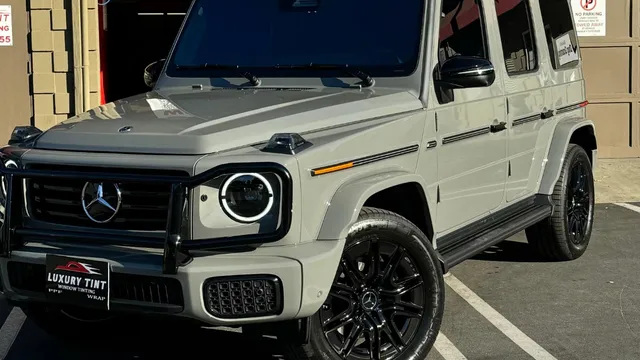
- Parking sensors (the round sensors in the bumper) usually work under the film or with a hole cut for them.
- Cameras need a clean opening.
- Radar behind the badge or in the grille needs care, because some carmakers advise against covering it.
- Raised lettering and recesses are among the places where film lifts most.
Ask the shop about each of these before the job.
Parking sensors
The small circles in the front and rear bumpers.
- Most shops either cover them with film or cut a precise round hole for each one.
- Film over the sensors usually has no effect, but some systems are sensitive. Test the sensors after installation before you drive off.
- A cut-out must be clean with no raised edges, because the small edge around it can lift with washing.
Cameras
The grille, mirror and rear cameras:
- The camera lens is not covered unless the shop offers a film made for it.
- Check the image on the screen after installation. If it is blurry, there is probably film or leftover solution on the lens.
Radar and driver-assistance systems
Systems such as adaptive cruise control and automatic braking rely on radar, often behind the grille badge or in a specific area of the bumper.
- Read your car's manual: some manufacturers state plainly that any sticker or layer over the radar area can affect it.
- Ask the shop: do you leave the radar area uncovered? If you cover it, is the film suitable for that?
- Test the systems after installation. If a sensor error message appears, go straight back to the shop.
Badges and lettering
Badges
- Removing the badge, filming under it and refitting it: a cleaner result, but it takes experience, because some badges are glued and clips can break.
- Cutting around the badge: quicker, but the edges around it are exposed and more likely to lift.
Raised lettering and recesses
Lettering on the bonnet or boot, and deep recesses in the bumper, are among the hardest places:
- The film is stretched hard to reach into the recess, so it tries to return to its shape.
- The result is often lifting or a bubble a few weeks later.
- Some shops deliberately stop the film short and leave a small area unprotected. That is a sensible decision. Agree on it from the start.
More in PPF edges lifting.
Door handles
The area behind the handle (scratched by fingernails and rings) is one of the most requested spots. Some shops remove the handles, others put a small piece in the recess. Both work if the installation is clean.
Questions before installation
- Parking sensors: do you cover them or cut around them?
- Radar: where is it on my car, and how will you handle it?
- Badges: do you remove them or cut around them? Who pays if a clip breaks?
- Lettering and recesses: do you cover them or stop before them?
- After installation: will you test the sensors and cameras with me?
General questions are in how to choose a shop, and cutting methods in knife marks on the paint.
At pickup
- Test the parking sensors in front of a wall.
- Turn on the cameras and check the image.
- If your car has driver-assistance systems, make sure there are no error messages.
- Check the edges around every opening. The pickup checklist has a point on sensors.
Bottom line
The front of a modern car is not just paint. Every sensor, badge and recess needs a decision. Agree on them before the job, and test them before you drive away.